AML Artist Spotlight: Fatou Samba - Breaking Barriers in K-Pop
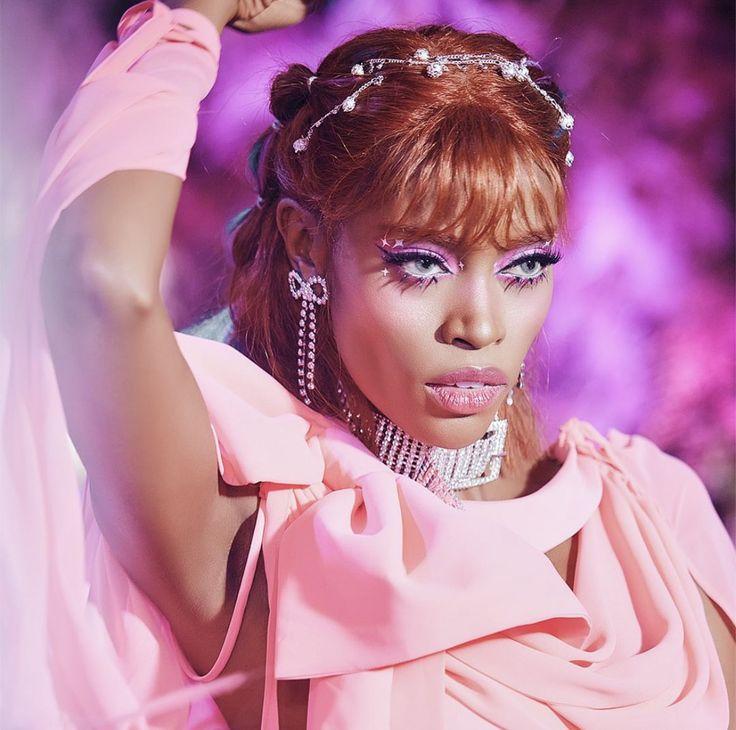
Fatou Samba, a Senegalese-born singer, is making history by becoming K-pop’s first African idol and breaking boundaries in the traditionally homogenous world of K-pop.
Fatou Samba is rewriting the narrative of K-pop, becoming the genre's first African idol and challenging its traditionally homogenous world of K-pop. Born in 1995 in Yoff, Dakar, Senegal, and raised in Tienen, Belgium, Fatou is a multi-talented artist who became the leader, main rapper, and lead dancer of the popular K-pop girl group BlackSwan under DR Entertainment.
She began her career as a model with Cineline Entertainment. Her K-pop journey began in 2018 when she moved to South Korea and joined a dance crew. After two years of training, made her debut with the group Blackswan in 2020. The BlackSwan group, formerly known as Rania, was formed in 2011 and underwent a rebranding, debuting as BlackSwan in 2020. As part of this rebranding effort, new members were introduced, including Fatou Samba.
Fluent in five languages - English, French (her Mother language), German, Dutch, and Korean – Fatou Samba’s linguistic prowess has helped her make a name in the global music industry. She has also done solo projects, away from her group, debuting her mixtape PWAPF (Psycho with A Pretty Face) which was released in 2022, showcasing her ability and versatility as a solo artist. She further solidified her status with the 2023 five-track mixtape titled Letter 1 – Adaeh, offering her fans an intimate glimpse into her journey.
Fatou Samba's discovery of K-pop is credited to a high school friend who introduced her to the track Replay by Korean boy band Shinee, with the positive, bright, and self-loving message sparking her interest in the genre. Despite the challenges that came with being K-pop’s first African idol, including scrutiny from fans and cultural barriers, Fatou has consistently jumped over these hurdles, supported by her bandmates and family.
This trail-blazing journey of Fatou Samba is more than just a personal triumph, it goes to show the evolving global music landscape and the power of music to break cultural barriers within a traditionally exclusive genre like K-pop.